
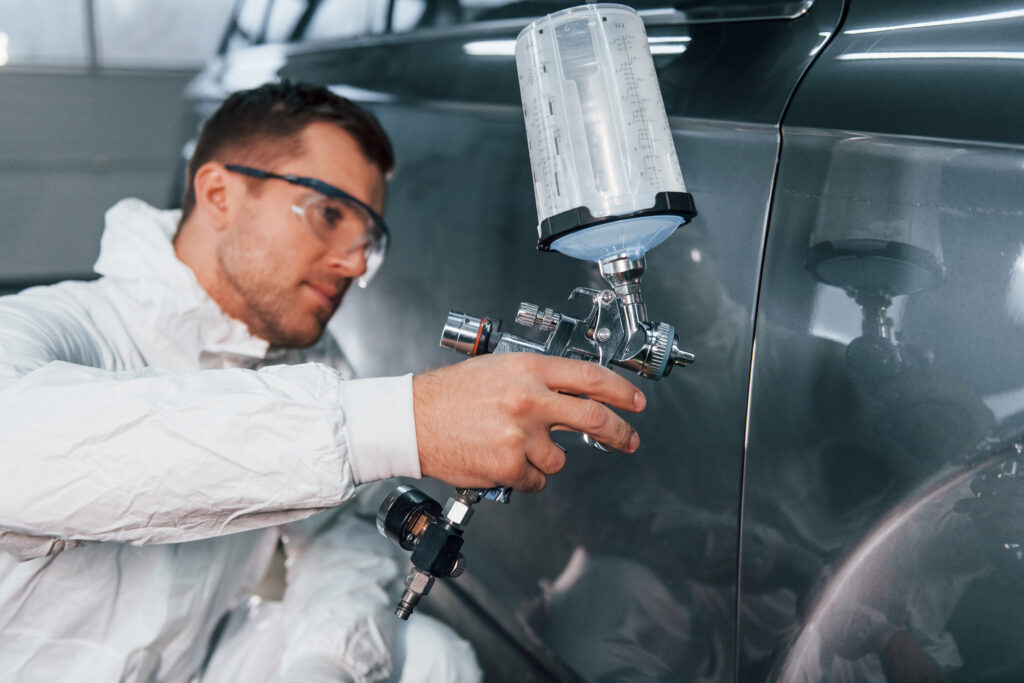
If aesthetics are important to you, you might want to give your car a whole new layer of fresh paint to make it look as crisp as it used to. The value of a vehicle is often based upon its appearance, and much of a car’s appearance lies within its paint. Having a good paint job can add thousands of dollars in value to your car and make it far easier to resell or live with for years to come. Here are a few things to look out for while determining whether you need a new paint job and what you can do to save your paint if you don’t.
Fading
Fading has to be one of the most common reasons people get their cars completely repainted. The fading of your paint is when your paint loses its color and richness. A great way of telling if your vehicle has faded badly is comparing it to an online image. When comparing the two pictures, if your vehicle lacks a shine that provides a reflection, it may be time for a new paint job. The most common cause for paint fading is the lack of protection to the paint. When paint is exposed to the elements, including the sun, snow, and other violent aspects of nature, it can cause the paint to deteriorate faster over time. The best way to prevent this from happening is having your car professional waxed at least four times a year to avoid paying thousands of dollars for a new paint job.
Peeling
Fading typically comes before peeling, but if you do see areas on your paint where the clear coat is peeling from your basecoat, it is time for a new paint job. Peeling is another nuisance that can be avoided with proper maintenance and protection. Signs of peeling include: highly discolored spots, bubbles in your paint, or paint chips that have been exposed for long periods of time. By having your car regularly waxed by a professional, you greatly reduce the chances of your paint and clear coat peeling.
Severe Scratches
Severe and numerous scratches can also be a great indication of whether you need a new paint job. Scratches are one thing that makes it particularly hard to determine if you need a new paint job. Some scratches can be buffed out with a high speed polisher by a qualified professional. Other scratches are so deep into the paint that no amount of buffing could remove them. A good indication to tell whether a scratch is deep or not is to wet your finger and wipe over the scratch, if it disappears briefly, there is a good chance it can be saved, if it does not disappear, it may be untreatable. Also look to see if you can see the surface under that paint through the scratch, if you can, the scratch is too deep and paint must be reapplied over that area. If you have accumulated several scratches that cannot be corrected with a high speed polisher, it may be time for a new paint job. Also with your new paint job, you should avoid hazardous situations that cause scratches, tight parking spaces, grocery carts, and placing boxes or items on your car.
By using these three methods to inspect your vehicles paint and condition, you will be in a great position to make an informed decision as to whether your vehicle needs a new paint job. And if you think you need a professional opinion, simply schedule an appointment with us or give us a call at (305) 908-5548.
Recognizing the signs that your car requires a new paint job is essential for maintaining its aesthetic and value. Common indicators include fading paint, peeling clear coat, and deep scratches that compromise the vehicle's surface. If you notice that your car's color appears dull or inconsistent, it may be time to consider a repaint.
In addition to visual signs, environmental factors can accelerate paint deterioration. For instance, prolonged exposure to sunlight can cause paint to fade, while harsh weather conditions may lead to peeling or chipping. Regularly inspecting your vehicle for these issues can help you make timely decisions about repainting.
Benefits of Professional Auto Body Repair
Opting for professional auto body repair services offers numerous advantages, including expert assessment and high-quality workmanship. Professionals at Tropical Collision have the experience and tools necessary to ensure that your car receives the best possible treatment, which can extend the life of your vehicle's exterior.
Moreover, professional repairs often include warranties that protect your investment. This means that if any issues arise post-repair, you can return to the shop for assistance without incurring additional costs. Investing in professional services not only enhances your car's appearance but also provides peace of mind.
How to Maintain Your Car's Paint
Maintaining your car's paint is crucial for preserving its look and value. Regular washing and waxing can protect against environmental damage, while also keeping the surface smooth and shiny. It's recommended to wash your vehicle frequently, especially after exposure to road salt or bird droppings, which can harm the paint if left untreated.
Additionally, using a high-quality wax can create a protective barrier against UV rays and contaminants. Consider scheduling professional detailing services periodically to ensure that your car’s paint remains in optimal condition, enhancing both its appearance and resale value.
Understanding Paint Types and Finishes
Different types of automotive paint and finishes can significantly impact the look and durability of your vehicle. Common options include metallic, matte, and gloss finishes, each offering unique aesthetic qualities and levels of protection. Understanding these differences can help you make an informed decision when repainting your car.
For instance, metallic finishes provide a shiny look that reflects light beautifully, while matte finishes offer a more understated appearance. Each type also has varying maintenance requirements, so it's essential to choose a finish that aligns with your lifestyle and preferences to ensure long-lasting satisfaction.
Signs Your Car Needs a New Paint Job
Recognizing the signs that your car requires a new paint job is essential for maintaining its aesthetic and value. Common indicators include fading paint, peeling clear coat, and deep scratches that compromise the vehicle's surface. If you notice that your car's color appears dull or inconsistent, it may be time to consider a repaint.
In addition to visual signs, environmental factors can accelerate paint deterioration. For instance, prolonged exposure to sunlight can cause paint to fade, while harsh weather conditions may lead to peeling or chipping. Regularly inspecting your vehicle for these issues can help you make timely decisions about repainting.
Benefits of Professional Auto Body Repair
Opting for professional auto body repair services offers numerous advantages, including expert assessment and high-quality workmanship. Professionals at Tropical Collision have the experience and tools necessary to ensure that your car receives the best possible treatment, which can extend the life of your vehicle's exterior.
Moreover, professional repairs often include warranties that protect your investment. This means that if any issues arise post-repair, you can return to the shop for assistance without incurring additional costs. Investing in professional services not only enhances your car's appearance but also provides peace of mind.
How to Maintain Your Car's Paint
Maintaining your car's paint is crucial for preserving its look and value. Regular washing and waxing can protect against environmental damage, while also keeping the surface smooth and shiny. It's recommended to wash your vehicle frequently, especially after exposure to road salt or bird droppings, which can harm the paint if left untreated.
Additionally, using a high-quality wax can create a protective barrier against UV rays and contaminants. Consider scheduling professional detailing services periodically to ensure that your car’s paint remains in optimal condition, enhancing both its appearance and resale value.
Understanding Paint Types and Finishes
Different types of automotive paint and finishes can significantly impact the look and durability of your vehicle. Common options include metallic, matte, and gloss finishes, each offering unique aesthetic qualities and levels of protection. Understanding these differences can help you make an informed decision when repainting your car.
For instance, metallic finishes provide a shiny look that reflects light beautifully, while matte finishes offer a more understated appearance. Each type also has varying maintenance requirements, so it's essential to choose a finish that aligns with your lifestyle and preferences to ensure long-lasting satisfaction.