
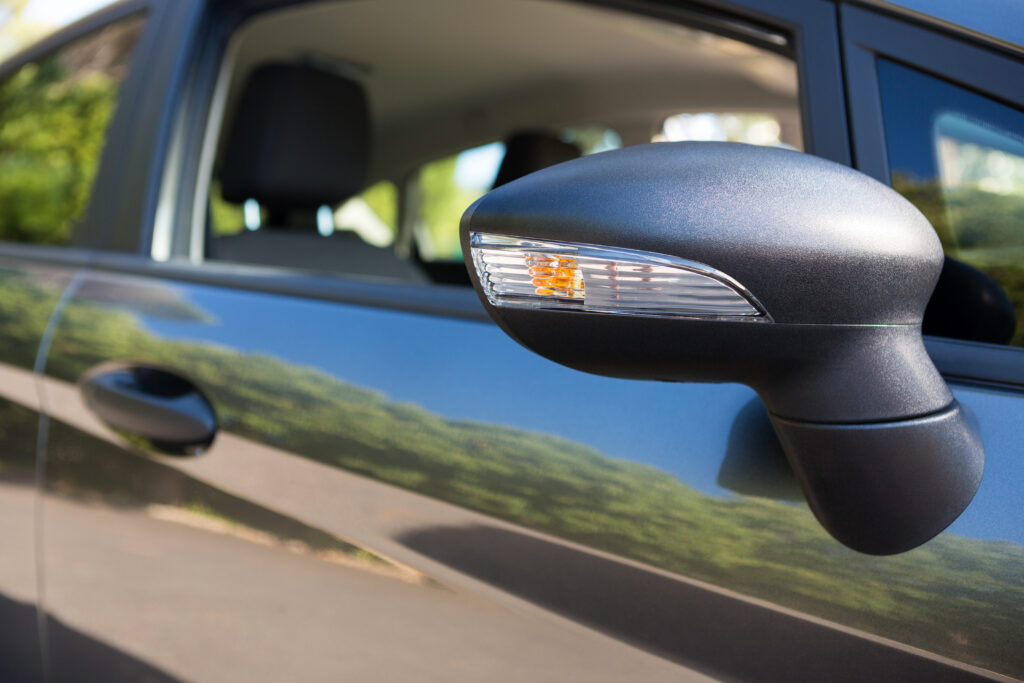
Just like the sun to your skin, without proper care, the sun can affect your car’s paint. And as it turns out, most car paint damage is due to the same component of sunshine that ages and damages our skin: ultraviolet (UV) rays.
UV light is invisible but very powerful. When it makes contact with a surface, that object’s molecules receive a jolt of energy. This extra energy is usually given off as heat, but some of these jolts result in molecular bonds breaking. Over time, when this happens to enough molecules of paint, it no longer interacts with light in the same way. It becomes less reflective and duller, transmitting less light outward that we see as color and it may even cause oxidation. Fortunately, the right maintenance routine can keep your new car looking like it just rolled out of the dealership and boost its curb appeal.
How to protect your car’s paint
As you go through your weekly routine, seek covered or sheltered parking whenever possible. This protects not only your car’s paint but also its headlights and rubberized trim.
You can also preemptively help undo some of the damage from UV rays, heat and insults wrought by nature, including bugs and bird droppings. Follow these tips to maintain your vehicle’s paint looking sharp and shiny.
Protect your car’s paint by washing it
Wash your car often.
Washing your car and cleansing it of pollution and grime is the first step. Get a soft cotton cloth, bucket, and automotive cleaning product, and work on the car out of direct sunlight.
Some owners just hop into the car immediately after washing and skip drying, this is not best for your car’s appearance. Drying your car with a cotton rag or chamois protects your car’s paint from minerals left behind by water evaporation.
Dry your car thoroughly.
Some owners just hop into the car immediately after washing and skip drying, this is not best for your car’s appearance. Drying your car with a cotton rag or chamois protects your car’s paint from minerals left behind by water evaporation.
Wax your car
This remains one of the most effective ways to keep it looking like new. The wax protects the paint against roadside pollutants while also combating the sun’s ultraviolet radiation. Waxing will also prevent dirt and grit from sticking to your vehicle, which can protect your paint from pit damage. When you don’t wax your car, grime left on your car can damage the paint job.
Do Some Colors Fade Faster?
Regardless of UV intensity, some color paints are more susceptible to fading, with red paint usually losing its color the fastest. Light comes in a spectrum of wavelengths, and how a material absorbs and reflects these wavelengths determines what color we perceive.
Every color has a specific wavelength, and a color paint is engineered to absorb all wavelengths except for the particular one or ones associated with its color blend. So red paint absorbs all wavelengths except those in the red band, which are reflected. Red fades more than other paints because wavelengths associated with red are the lowest energy of visible light, so to appear red it’s absorbing much more energetic wavelengths, which causes more aggressive degradation of the paint’s molecular bonds. This is in addition to what UV rays are doing.
If it’s a little too late for you to apply these tips, don’t hesitate visiting Tropical Collision Center and we can leave your car looking like it has never been near the sun. Simply give us a call at (305)908-5545 or visit us in person – we’re here everyday!
Ultraviolet (UV) rays from the sun can significantly degrade the quality of your car's paint over time. These rays penetrate the paint surface, causing chemical reactions that lead to fading, oxidation, and a dull appearance. Without proper protection, the paint loses its luster and can even lead to more serious issues, such as rust formation.
For instance, studies have shown that vehicles exposed to direct sunlight for extended periods can experience a noticeable loss of color intensity within just a few months. This is particularly evident in colors like red and blue, which are more susceptible to UV damage. Understanding the impact of UV rays is essential for car owners aiming to maintain their vehicle’s aesthetic appeal.
Best Practices for Car Paint Maintenance
To protect your car's paint from sun damage, implementing a regular maintenance routine is crucial. This includes washing your vehicle frequently to remove dirt and contaminants that can trap moisture and cause paint deterioration. Additionally, applying a high-quality wax or sealant can create a protective barrier against UV rays and environmental pollutants.
For example, using a wax that contains UV inhibitors can significantly extend the life of your car’s paint. Moreover, parking in shaded areas or using car covers when the vehicle is not in use can further minimize sun exposure. These simple yet effective practices can help preserve your car's appearance for years to come.
Signs Your Car Paint Needs Professional Attention
Recognizing the signs that your car's paint may need professional repair is key to maintaining its value and appearance. Common indicators include noticeable fading, oxidation, and rough textures on the paint surface. If you observe these signs, it may be time to consult with a professional auto body repair service.
Additionally, if your vehicle has developed scratches or chips that expose the underlying metal, immediate attention is necessary to prevent rust and further damage. Professional services like those offered by Tropical Collision can restore your car's paint to its original condition, ensuring it looks its best and remains protected against the elements.
The Importance of Regular Waxing
Regular waxing is a vital step in protecting your car's paint from sun damage and other environmental factors. Wax creates a protective layer that shields the paint from UV rays, dirt, and pollutants, helping to maintain its shine and color. Ideally, cars should be waxed every three months for optimal protection.
In addition to providing a barrier against sun damage, waxing also enhances the overall appearance of the vehicle, making it look newer and more polished. Many car owners find that regular waxing not only protects their investment but also makes washing the car easier, as dirt and grime are less likely to adhere to a waxed surface.
Understanding UV Damage to Car Paint
Ultraviolet (UV) rays from the sun can significantly degrade the quality of your car's paint over time. These rays penetrate the paint surface, causing chemical reactions that lead to fading, oxidation, and a dull appearance. Without proper protection, the paint loses its luster and can even lead to more serious issues, such as rust formation.
For instance, studies have shown that vehicles exposed to direct sunlight for extended periods can experience a noticeable loss of color intensity within just a few months. This is particularly evident in colors like red and blue, which are more susceptible to UV damage. Understanding the impact of UV rays is essential for car owners aiming to maintain their vehicle’s aesthetic appeal.
Best Practices for Car Paint Maintenance
To protect your car's paint from sun damage, implementing a regular maintenance routine is crucial. This includes washing your vehicle frequently to remove dirt and contaminants that can trap moisture and cause paint deterioration. Additionally, applying a high-quality wax or sealant can create a protective barrier against UV rays and environmental pollutants.
For example, using a wax that contains UV inhibitors can significantly extend the life of your car’s paint. Moreover, parking in shaded areas or using car covers when the vehicle is not in use can further minimize sun exposure. These simple yet effective practices can help preserve your car's appearance for years to come.
Signs Your Car Paint Needs Professional Attention
Recognizing the signs that your car's paint may need professional repair is key to maintaining its value and appearance. Common indicators include noticeable fading, oxidation, and rough textures on the paint surface. If you observe these signs, it may be time to consult with a professional auto body repair service.
Additionally, if your vehicle has developed scratches or chips that expose the underlying metal, immediate attention is necessary to prevent rust and further damage. Professional services like those offered by Tropical Collision can restore your car's paint to its original condition, ensuring it looks its best and remains protected against the elements.
The Importance of Regular Waxing
Regular waxing is a vital step in protecting your car's paint from sun damage and other environmental factors. Wax creates a protective layer that shields the paint from UV rays, dirt, and pollutants, helping to maintain its shine and color. Ideally, cars should be waxed every three months for optimal protection.
In addition to providing a barrier against sun damage, waxing also enhances the overall appearance of the vehicle, making it look newer and more polished. Many car owners find that regular waxing not only protects their investment but also makes washing the car easier, as dirt and grime are less likely to adhere to a waxed surface.