
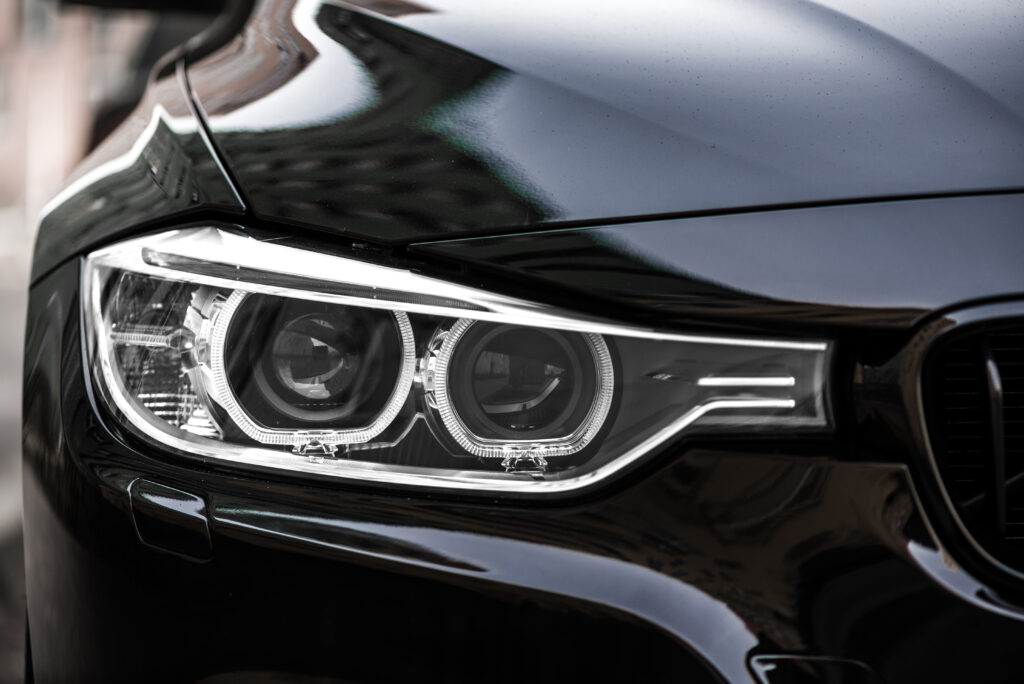
Today we are going to teach you how to keep your headlights from yellowing, fading and cracking. You may not know it, but modern headlights assemblies are made out of plastic as opposed to glass. The use of plastic instead of glass has a big drawback. Plastic fades and cracks, while glass is hard, durable and can be easily cleaned.
Usually, you can quickly notice the damage in your headlights by their cloudiness and roughness to the touch. This indicates your headlight is pitted and needs to be polished. Luckily, you can do this at home with toothpaste and a toothbrush.
You want to make sure you use a toothpaste that has some grittiness to it and is not a gel. Toothpaste with baking soda and peroxide for whitening will help clean your headlights, or you can add baking soda yourself.
First, spread a good layer of toothpaste on the headlight covering it completely. Let the paste sit for around 5-10 minutes. Although If you want, you can use a toothbrush and brush the whole surface for better results, and by doing it you will be able to see in real time how the brush starts to get dark and dirty while taking all the rustiness and yellowness away, which tells you that the method is working.
The older and cloudier your headlights are, the longer you are going to want to brush it or let it sit, you might even want to repeat the process. You can use a Dremel with a buffing wheel on it to speed up this step. Make sure to buff all of the toothpaste into the headlight instead of brushing it with the toothbrush for better results, although you have to make sure you use it in the low-speed settings (15k rpms or less). Otherwise, it might spin too fast and melt your plastic.
After you have waited the appropriate time, grab a spray bottle and fill it with warm water. Then, spray the whole surface and use a good amount of pressure to remove the toothpaste.
Now that your headlights are back to clean and transparent, it is a good idea to apply some wax to them. This will provide a protective layer, so the headlights don’t get yellow quickly again, and it will keep them beautiful and bright. Lastly, let the wax sit for 5 minutes, clean it off with a smooth towel or paper towel, and you are good to go!
You can always buy a headlight restoring kit for about $20, but with this toothpaste method, it will cost you less than $3, and you will get very similar results.
Want to skip these steps and go straight to a professional? Schedule an appointment with us today at (305) 908-5545 or request an appointment online and we’ll get your headlights looking brand new!
Modern headlights are primarily constructed from polycarbonate plastic rather than traditional glass. This shift to plastic allows for greater design flexibility and weight reduction, but it also makes headlights more susceptible to environmental damage such as UV rays and oxidation.
Unlike glass, which is inherently durable and resistant to scratches, plastic can become cloudy and discolored over time. Understanding the material differences is crucial for car owners as it affects maintenance choices and the longevity of headlight performance.
Common Issues with Plastic Headlights
Plastic headlights often suffer from fading, yellowing, and cracking due to prolonged exposure to sunlight and harsh weather conditions. These issues not only diminish the aesthetic appeal of a vehicle but can also significantly reduce visibility while driving at night.
Regular maintenance is essential to prevent these common problems. By implementing simple DIY cleaning methods or seeking professional restoration services, car owners can ensure their headlights remain clear and effective, enhancing both safety and vehicle appearance.
DIY Headlight Restoration Techniques
One popular method for restoring cloudy headlights is using household items like toothpaste. This abrasive cleaner works to polish the plastic surface, removing oxidation and restoring clarity. The process involves applying toothpaste to a damp cloth and gently scrubbing the headlight until the desired clarity is achieved.
For optimal results, it may be necessary to repeat the process several times, especially for heavily oxidized headlights. Additionally, following up with a protective wax can help maintain the restored appearance and prevent future yellowing.
When to Seek Professional Help
While DIY methods can effectively restore headlights, there are situations where professional assistance is recommended. If the headlights are severely damaged, cracked, or if the DIY methods do not yield satisfactory results, it may be time to consult a professional service.
Tropical Collision offers expert headlight restoration services that can address extensive damage and ensure your headlights are safe and functional. Investing in professional care can ultimately save time and enhance the longevity of your vehicle's lighting system.
Understanding Headlight Materials
Modern headlights are primarily constructed from polycarbonate plastic rather than traditional glass. This shift to plastic allows for greater design flexibility and weight reduction, but it also makes headlights more susceptible to environmental damage such as UV rays and oxidation.
Unlike glass, which is inherently durable and resistant to scratches, plastic can become cloudy and discolored over time. Understanding the material differences is crucial for car owners as it affects maintenance choices and the longevity of headlight performance.
Common Issues with Plastic Headlights
Plastic headlights often suffer from fading, yellowing, and cracking due to prolonged exposure to sunlight and harsh weather conditions. These issues not only diminish the aesthetic appeal of a vehicle but can also significantly reduce visibility while driving at night.
Regular maintenance is essential to prevent these common problems. By implementing simple DIY cleaning methods or seeking professional restoration services, car owners can ensure their headlights remain clear and effective, enhancing both safety and vehicle appearance.
DIY Headlight Restoration Techniques
One popular method for restoring cloudy headlights is using household items like toothpaste. This abrasive cleaner works to polish the plastic surface, removing oxidation and restoring clarity. The process involves applying toothpaste to a damp cloth and gently scrubbing the headlight until the desired clarity is achieved.
For optimal results, it may be necessary to repeat the process several times, especially for heavily oxidized headlights. Additionally, following up with a protective wax can help maintain the restored appearance and prevent future yellowing.
When to Seek Professional Help
While DIY methods can effectively restore headlights, there are situations where professional assistance is recommended. If the headlights are severely damaged, cracked, or if the DIY methods do not yield satisfactory results, it may be time to consult a professional service.
Tropical Collision offers expert headlight restoration services that can address extensive damage and ensure your headlights are safe and functional. Investing in professional care can ultimately save time and enhance the longevity of your vehicle's lighting system.